What is VWAP? Volume Weighted Average Price Guide
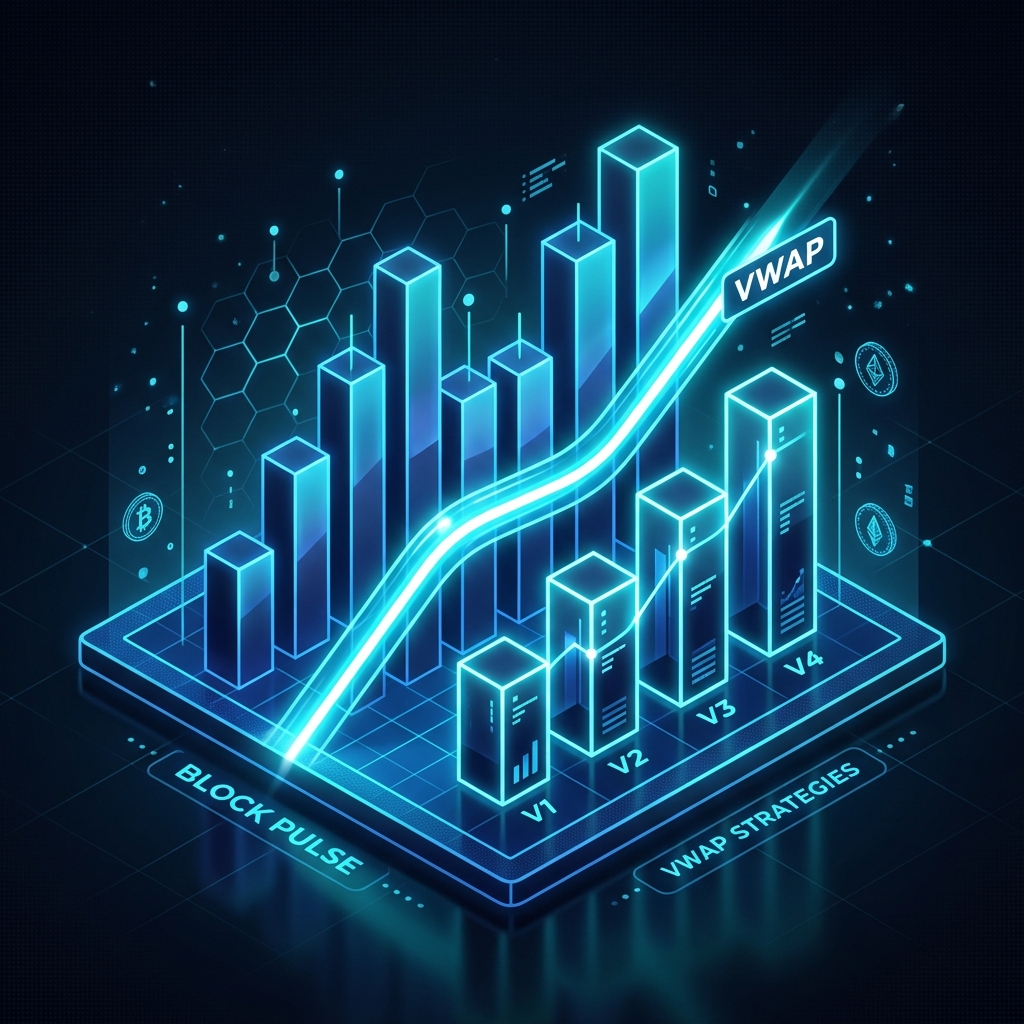
Volume Weighted Average Price (VWAP) is a trading benchmark used by traders that gives the average price a security has traded at throughout the day, based on both volume and price. It is important because it provides traders with insight into both the trend and value of a security.
How is VWAP Calculated?
Unlike a simple moving average, VWAP considers the number of shares traded at each price level. The formula is the sum of (Price * Volume) divided by the total volume for the day.
Why Traders Use VWAP
Institutional Benchmark
Large institutional buyers often aim to execute orders at or better than the VWAP. Buying below VWAP is considered a 'good fill' because you are getting the asset at a price lower than the daily average paid by all other market participants.
Intraday Support and Resistance
VWAP often acts as a magnetic level. In an uptrend, price frequently pulls back to the VWAP line before bouncing. If the price stays below VWAP, it's a sign of intraday bearishness.
VWAP vs. Standard Moving Averages
Moving averages (like EMA) only look at price over time. VWAP adds the 'conviction' of volume. A price move on high volume affects VWAP more than a move on low volume, making it more accurate for day trading.
VWAP is typically an intraday indicator. It resets at the start of every new trading day.
Strategic VWAP Entries
- Bullish: Price breaks above VWAP from below on high volume.
- Bearish: Price breaks below VWAP from above.
- Mean Reversion: Trading the 'rubber band' effect when price gets too far from the VWAP line.
Perfecting VWAP with Optimo
VWAP works best when combined with specific timeframes and assets. Optimo allows you to backtest VWAP crossovers to see which assets respect this 'fair value' line the most, ensuring you don't enter trades based on noise but on statistically proven value zones.